Air India adds 78 extra flights to Europe, US and Indian Ocean due to West Asia disruption
Air India adds 78 extra flights to Europe, US and Indian Ocean due to West Asia disruption
If the global aviation map had a “detour” sign this month, Air India just grabbed a marker and started drawing new lines.
With ongoing disruption affecting air travel across parts of West Asia, the airline has decided the best response is simple: add more flights. Quite a lot more, actually. Between 10 and 18 March 2026, Air India is rolling out 78 additional flights connecting India with Europe, the United States, and a couple of sunny regional escapes.
In airline terms, that’s the equivalent of saying, “No problem — we’ll just run extra buses.”
Where All These Extra Flights Are Going
The additional services will operate primarily from Delhi and Mumbai, two of Air India’s biggest international hubs. From there, passengers will be whisked off to major global gateways across Europe and beyond.
Let’s start with Europe — because Europe is getting a lot of attention.
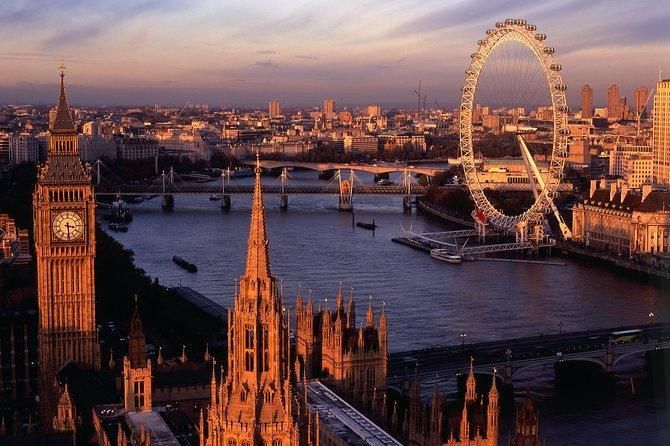
Flights are being boosted to London Heathrow Airport, Frankfurt, Amsterdam, Paris Charles de Gaulle Airport, and Zurich.
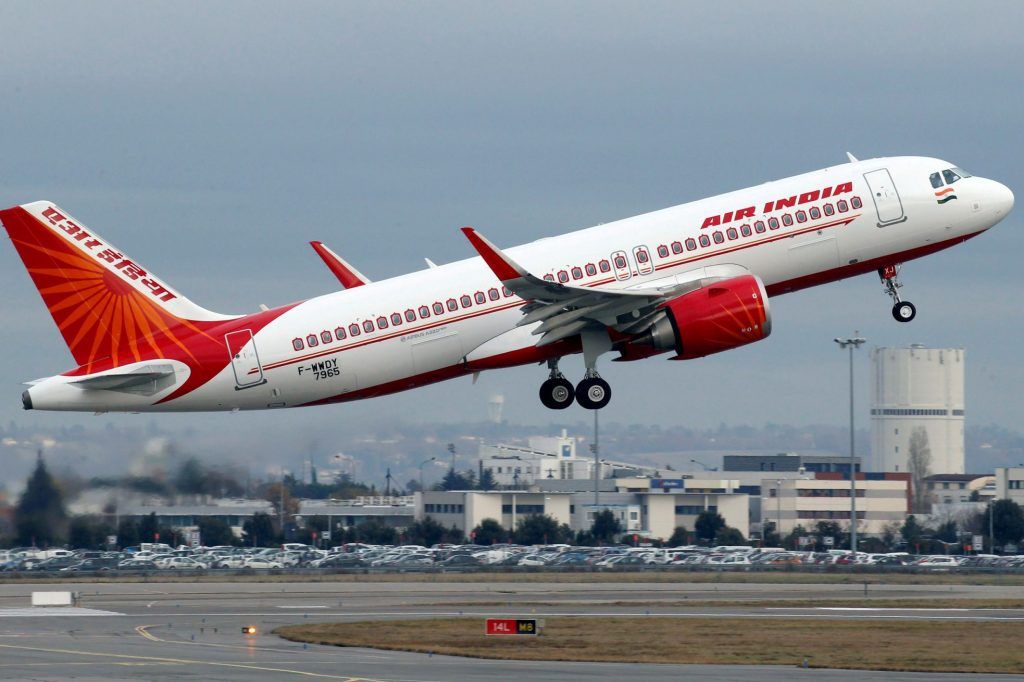
In other words: some of Europe’s busiest travel hubs are about to see a few more aircraft with the Air India tailfin pulling up at the gate.
Across the Atlantic, there’s also an increase in service to John F. Kennedy International Airport in New York — although those extra flights are still subject to regulatory approval. But if they go ahead, they’ll add more seats on one of the world’s most competitive long-haul corridors.
And if all that long-haul flying sounds exhausting, Air India has also thrown in some regional routes for good measure. Additional flights will run to Male in the Maldives and Colombo in Sri Lanka — which feels like a very polite way of saying, “Perhaps you deserve a beach break after all this travel chaos.”
Need assistance with groups and incentives in Sri Lanka? Contact this fantastic DMC in Sri Lanka!
A Lot of Seats, Very Quickly
In total, these extra flights add 17,660 additional seats across nine routes. That’s a serious chunk of capacity appearing in the system almost overnight.
And Air India is bringing out a proper mix of aircraft to make it happen.
The European routes will largely be operated using the Boeing 787-8 Dreamliner, the airline’s efficient long-haul workhorse known for quieter cabins and bigger windows — always a win when you’re crossing continents.
Flights to New York will use the bigger Boeing 777-300ER, built for heavy passenger loads on long routes.
Meanwhile, the regional sunshine routes to Malé and Colombo will be handled by the Airbus A320neo, which is perfect for shorter hops around the Indian Ocean.
Basically: the airline has reached into its aircraft toolbox and picked exactly the right size for each job.
Where Frequencies Are Increasing
The biggest boost is happening on the Delhi–Frankfurt route, which will see extra daily flights (with the small exception of 14 March).
Meanwhile:
- Delhi–London Heathrow gets four additional rotations
- Mumbai–London Heathrow receives two extra flights
- Delhi–Amsterdam adds three services
- Delhi–Paris Charles de Gaulle gains one extra rotation
- Delhi–Zurich picks up two additional flights
- Delhi–New York JFK may add three more services, pending approval
It’s a busy few days for the scheduling team at Air India.
Why This Is Happening
The reason behind the sudden surge is the ongoing disruption to air travel across parts of the Middle East. Several airlines have had to reduce or reroute flights because of airspace restrictions, which naturally creates ripple effects across global networks.
Instead of scaling back, Air India is doing the opposite: maintaining its long-haul services to Europe and North America while adjusting routes to ensure they remain safe and operational.
In the process, India–Europe connections are becoming an increasingly important corridor for travelers who need alternative options while traditional routing paths remain complicated.
The Bigger Picture
What this move really shows is how quickly airlines can adapt when global travel patterns shift. Aviation might look calm from the cabin window, but behind the scenes it’s constant problem-solving, route juggling, and schedule reshuffling.
And in this case, Air India’s solution is refreshingly straightforward: more flights, more seats, and more options for passengers who still need to get where they’re going.
So if you suddenly spot an extra Air India departure popping up on the airport board this March, don’t be surprised.
The airline is simply making sure the world keeps moving — even when the usual flight paths don’t cooperate.